

Every organisation has big plans. Some call them a vision. Others a picture of the future. We simply call it a business goal. The idea behind it is simple: where do we want to go? The more exciting question has to follow immediately: how do we get there before day-to-day business pulls us in a completely different direction again? How do we turn good intentions into measurable success?
That is exactly what strategy is.
Not a document. Not a presentation. And certainly not a 120-page handout that disappears into a drawer. Strategy is the decision about what you do. What you deliberately don’t do. And how good intentions actually turn into results.
Let’s be honest: few organisations are short of ideas. Turning them into action is where things get harder.
Why does strategy matter?
If you have no target, you can’t miss it either.
A strategy makes success verifiable. It creates clarity about what is to be achieved and how you can tell whether you are on the right track.
If goals are achieved: great. Success becomes clearly visible and can be celebrated. If goals are missed: also fine, because then you can see the reasons and take action to put things right.
Without a strategy, things look different: with a bit of luck, chance takes the lead. With a bit of bad luck, the competition does.
We know the reality in many companies all too well
For weeks the strategy is polished, discussed in meetings, refined and adopted. Afterwards it may even be communicated to the wider organisation. And then?
Then day-to-day business wins.
The strategy disappears into folders or the filing system. It is ignored, smiled at or seen as the next management idea that will quickly go away. After a few weeks, nobody talks about it any more.
Unfortunately, one simple truth almost always applies: if nothing happens in the first few days, usually nothing happens at all. And this is exactly where we come in.
Why second unit?
We don’t help produce the hundredth glossy presentation. We make sure things actually happen.
In doing so, we rely on something that already exists in almost every company and yet is surprisingly rarely used: collective intelligence. We unleash the collective intelligence of your organisation.
The people who look after customers, steer processes and solve problems every day are not only informed once everything has been decided. They become an active part of implementation. This turns a management idea into a shared undertaking.
And that is exactly what makes the difference.
What sets us apart from traditional strategy consultancies
Traditional consultancies often develop brilliant strategies. Then they hand over a thick final report, thank you for the collaboration and go home.
That is where we get started.
second unit is not called second unit by chance.
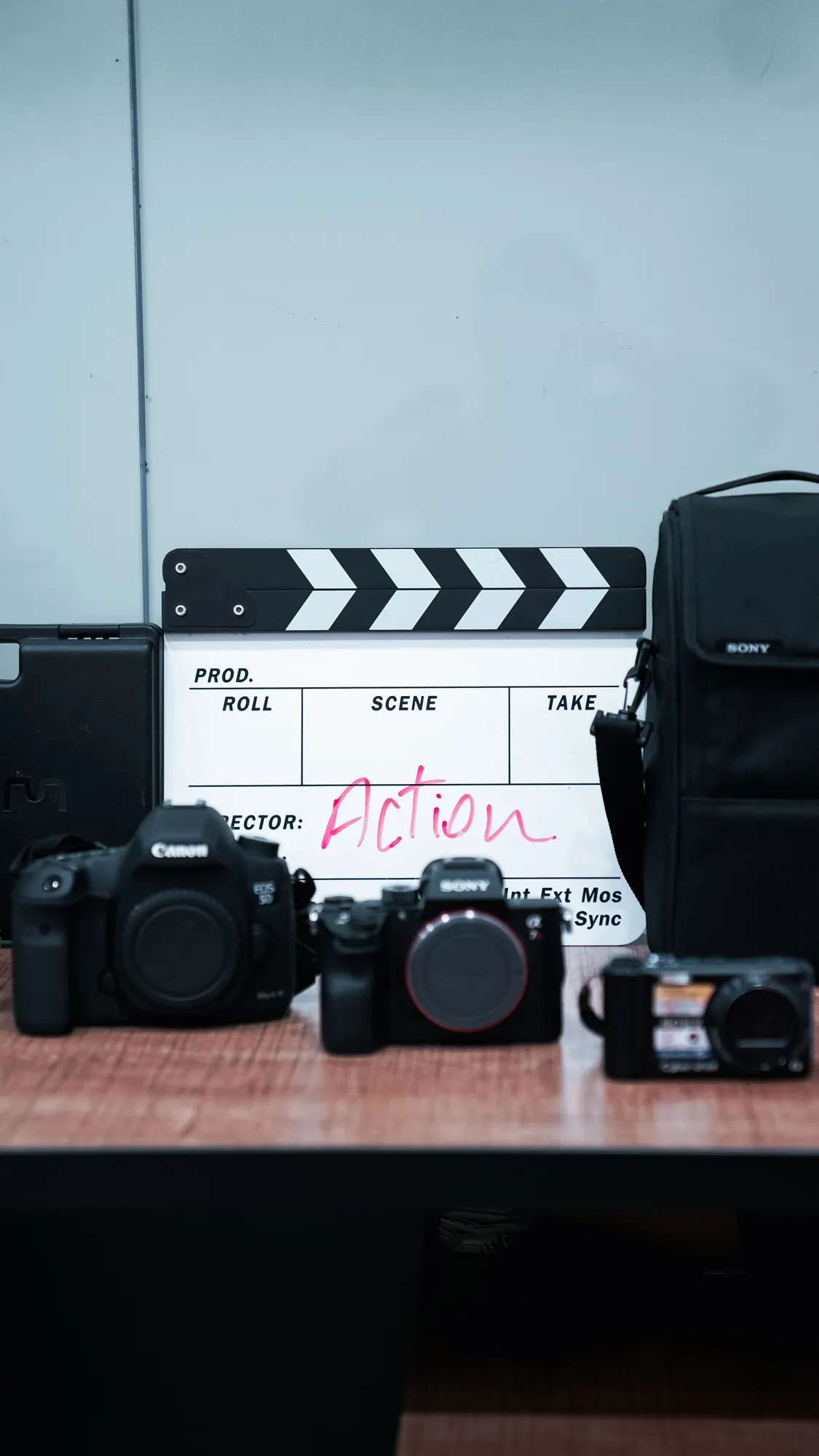
In film, the second unit takes on the elaborate scenes, the stunts and the difficult shots, so that everything works in the end.
That is exactly how we work. We take care of the delicate topics, the resistance, the gaps in implementation and the organisational pitfalls. We get projects moving that would otherwise get stuck between day-to-day business and endless rounds of coordination.
We don’t come as outside know-it-alls. We don’t stand on the sidelines handing out clever advice. We get on board and become part of your crew.
Our goal is not to explain to you what success looks like. Our goal is for you to achieve it.
And when everything works, you are standing on the podium while your competitors start writing a suspicious number of benchmark studies to work out how you did it.