

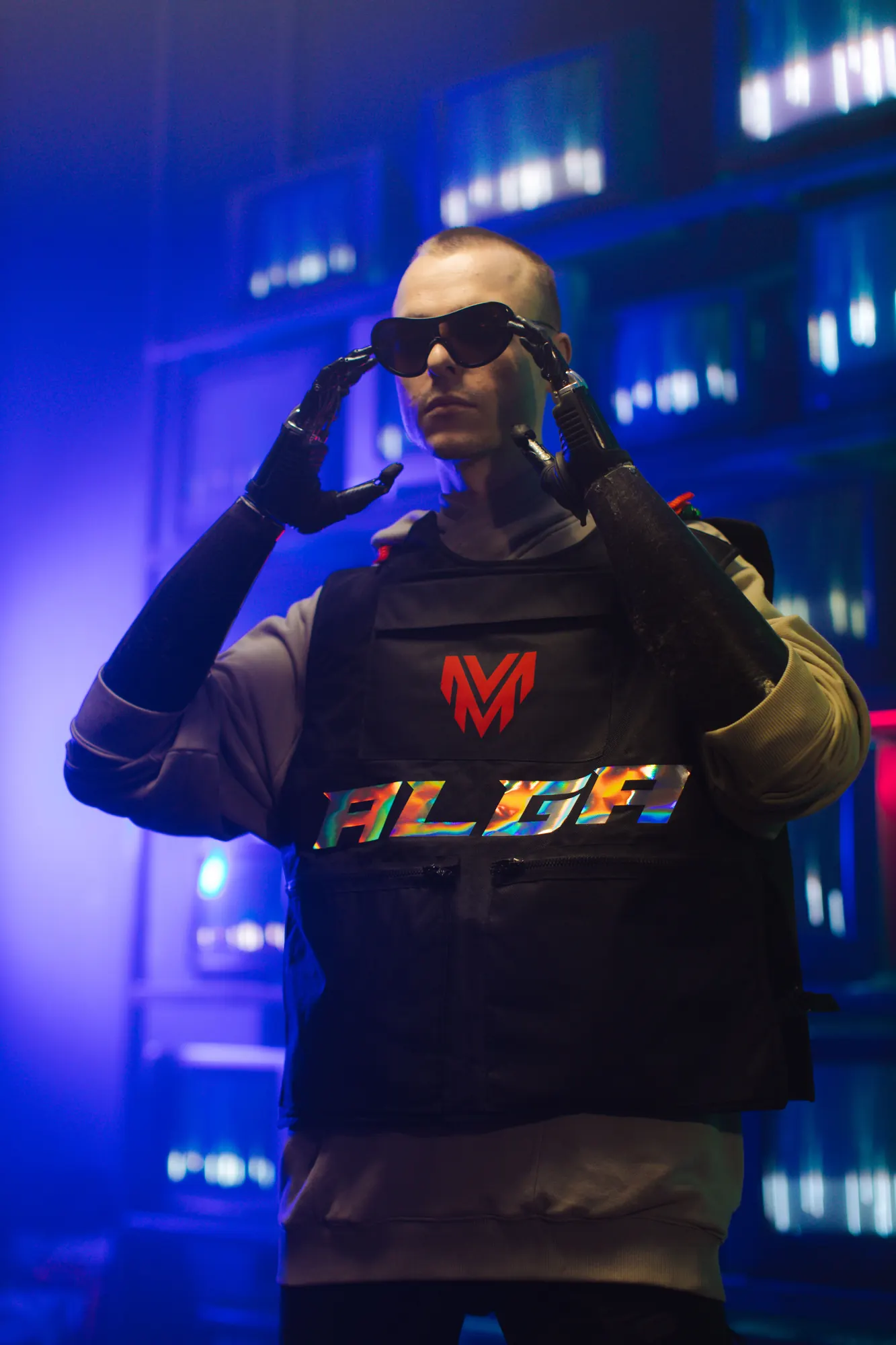
AI is here to stay. And it sets a great deal in motion: processes become faster, routines are automated, knowledge becomes easier to access, and tasks that once took hours can be done in moments.
AI is neither a saviour nor a bogeyman. It is an enormously powerful tool that supports human creativity, makes complex problems quicker to solve and can free us from tasks that until now mainly demanded one thing: time and patience.
But one thing holds true across every area of AI: artificial intelligence needs real understanding. Because AI knows a lot, but not everything — and not always whether what it claims is actually true. It can phrase things beautifully and still be completely wrong. That is why a successful AI transformation needs not only good models and new tools, but above all MI (Menschliche Intelligenz), human intelligence: human expertise, clear processes and a thoughtful, responsible approach to its results.
Routine becomes room to breathe
The most important question is not what AI can do instead of people, but what people can achieve with AI alongside them.
When intelligent assistants coordinate appointments, structure data, prepare information or automate routine tasks, something extremely valuable emerges: time. Time for new ideas, time for strategy, time for tasks that require experience, empathy and judgement.
The possibilities of AI are as varied as the areas in which it is used: from intelligent mobility and smarter everyday organisation to more efficient business processes and support for medical diagnostics.
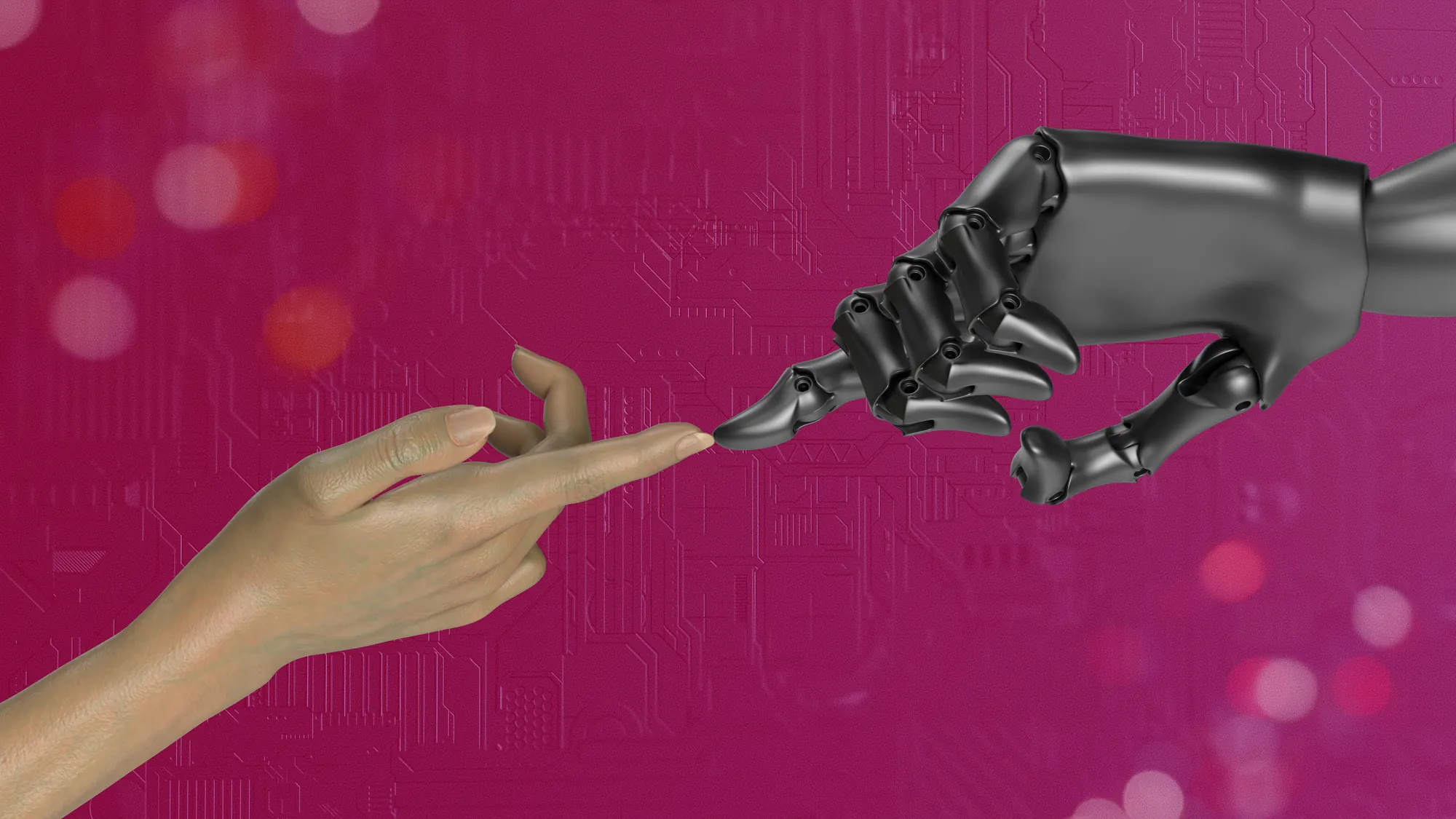
Jobs don’t simply disappear. But work changes.
Of course AI will change familiar professions. Some activities will become less relevant, new ones will emerge and many existing jobs will redefine themselves from within. Areas such as software development show how quickly roles can shift: AI already takes over parts of writing code, documentation and debugging. But that does not automatically mean “people out, AI in”.
This is exactly where transformation begins. Not human or machine. But human with machine. You can watch the change sceptically. You can get carried away by the excitement. Or you can understand and shape it.
We prefer option three.
Because a successful AI transformation does not mean using as much AI as possible everywhere. It means finding out where AI genuinely adds value, where people remain indispensable and where both together are better than either on their own.
Why second unit?
It changes how we access knowledge, process information, make decisions and develop new solutions. Its particular strength lies in structuring vast amounts of complex information quickly, sometimes in real time, making patterns visible and deriving new connections from them. In a world where the problem is no longer a lack of information but its sheer volume and complexity, this can become a decisive factor.
But for all the enthusiasm about AI, we must not forget one thing: intelligence is more than technology. Where artificial intelligence analyses, structures and accelerates, people bring what cannot be calculated: experience, intuition, empathy, decisiveness and judgement — the MI.
This also changes our perspective on the relationship between people and technology. What emerges when different forms of intelligence combine their respective strengths? As knowledge becomes available faster and routine tasks are automated, critical thinking, judgement and not least the ability to ask the right questions become immensely more important.
And this is exactly where we at second unit go one step further. Because for us, real success does not come from the combination of AI and MI alone. We add a third form of intelligence: SI, collective intelligence.
SI brings together different perspectives, experiences, disciplines and ideas. It turns individual knowledge into shared knowledge and individual contributions into something that can be greater than the sum of its parts. AI delivers speed and analytical power. MI contributes experience, creativity and human judgement. SI connects these abilities and perspectives into one shared intelligence.
Artificial intelligence
Human intelligence
Collective intelligence
This is where we see the real power: not human or machine. Not technology for its own sake. But intelligent orchestration that makes complexity more manageable, opens up new perspectives and helps better solutions take shape.
For us, this is more than a theoretical model. It shapes the way we think and work. We use technological possibilities, combine them with human expertise and also bring together the knowledge and perspectives across your organisation.
This combination is our approach to turning intelligence into real value and contributing consistently to our clients’ business success.